
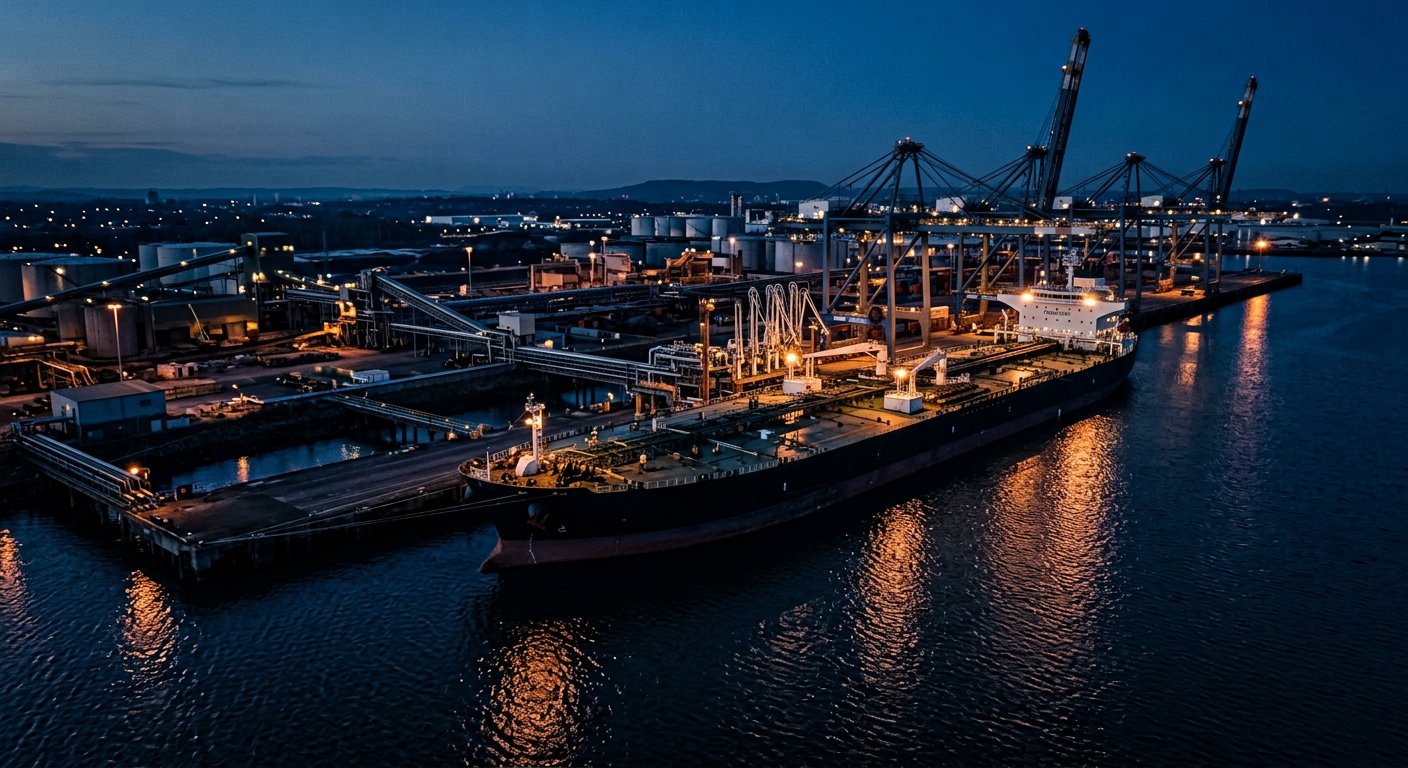
Incoterms® rules, published by the International Chamber of Commerce (ICC), define the allocation of costs, risk and obligations between buyer and seller. In energy and petrochemical trade the choice of term shapes freight, insurance, customs and documentation responsibilities — and frequently the price basis itself.
| Term | Risk transfers | Typical use |
|---|---|---|
| FOB (Free On Board) | Goods loaded on the vessel | Bulk liquids and dry bulk sold load-port |
| CFR (Cost and Freight) | When goods are on board the vessel; seller pays freight | Bulk cargoes to discharge port, buyer insures |
| CIF (Cost, Insurance & Freight) | As CFR; seller also arranges insurance | Common in bulk and container trade |
| CIP / CPT | To carrier / freight paid to destination | Containerised polymer and drummed goods |
| DAP (Delivered At Place) | At named destination, ready for unloading | Truck deliveries, regional supply |
| FCA (Free Carrier) | When handed to the buyer's carrier | Container and truck load-point sales |
| EXW (Ex Works) | At seller's premises | Rare in international bulk; common domestically |
Bulk liquids vs bagged polymers
For bulk liquids — diesel, naphtha, fuel oil — trade is overwhelmingly on FOB, CFR or CIF terms with risk transferring as the cargo passes the vessel's permanent manifold connection (or per charter-party/contract wording). For bagged polymers and drummed chemicals, containerised shipments commonly move on FCA, CIF/CIP or CFR-equivalent terms, while regional truck deliveries are often quoted DAP.
In every RFQ, BNM Petroleum asks buyers to state destination port or place and the preferred incoterm, because freight, insurance and documentation obligations follow directly from that choice.